Filmmaking
My career as a film producer began in 1983 when I founded the nonprofit organization National Audubon Society Productions. I was president and CEO of the organization for 11 years. In 1994 I founded another nonprofit, National Wildlife Productions (part of the National Wildlife Federation, the largest conservation organization in the United States). I led that group as president and CEO for 10 years.
Ted Turner and Chris Palmer
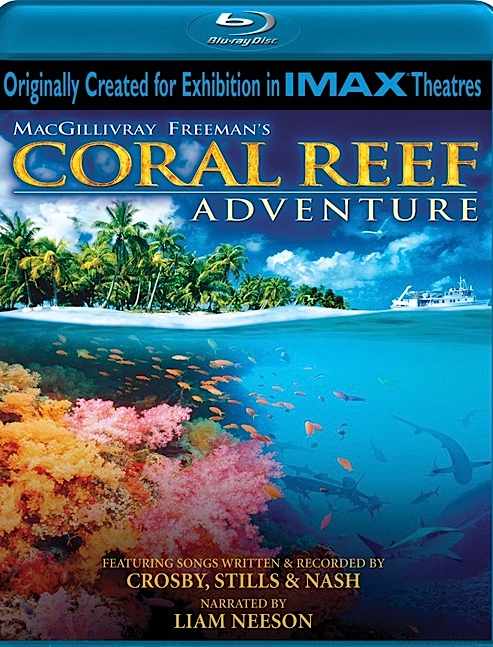
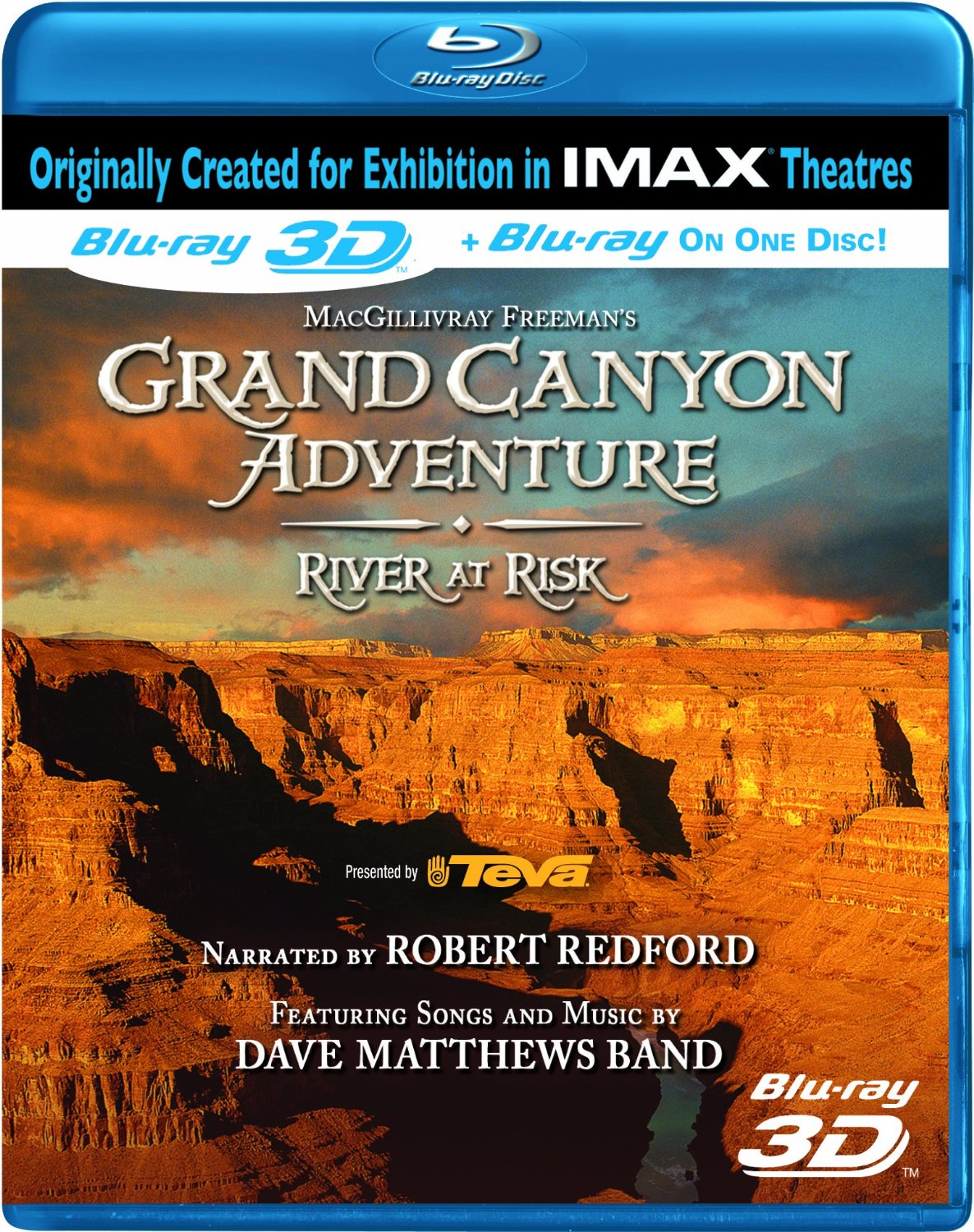
My projects for prime-time television and the giant-screen IMAX film industry have been broadcast on the Disney Channel, TBS Superstation, Animal Planet, and PBS, among others. My IMAX films include Whales, Wolves, Dolphins, Bears, Coral Reef Adventure, and Grand Canyon Adventure. I’ve had the opportunity to work with many celebrities who care about the future of our planet, including Robert Redford, Paul Newman, Jane Fonda, Ted Turner, and Ted Danson.

In 2004 I joined American University’s full-time faculty as Distinguished Film Producer in Residence at the School of Communication (SOC). There I founded and directed, until my retirement in 2018, the Center for Environmental Filmmaking, whose mission is to train filmmakers to produce films and new media that effectively strengthen the global constituency for conservation.
In 2013, the Center produced a documentary adaptation of my first book, Shooting in the Wild: An Insider’s Account of Making Movies in the Animal Kingdom. The 30-minute film, hosted by Alexandra Cousteau, reveals an industry undermined by sensationalism, fabrication, and sometimes even animal abuse. Here is what filmmaker and scientist Dr. Randy Olson wrote about this film: Read Dr. Randy Olson’s comments.
The most recent films I’ve executive produced, working closely with the Prince Charitable Trusts, are:
The Culture of Collards. Produced and directed by SOC alumna Aditi Desai and MFA graduate student Vanina Harel.
50 Years of Farming. Also produced and directed by Aditi and Vanina.
Farming for the Future. Also produced and directed by Aditi and Vanina.
When Mickey Came to Town. This one is about how a group of “simple Virginians” defeated America’s favorite mouse. When Mickey Came to Town was produced by SOC graduate students, including producer and director Sam Sheline, editor Adam Lee, shooter Tony Azios, and researcher Elizabeth Herzfeldt-Kamprath.
I work closely with renowned IMAX film producer Greg MacGillivray and MacGillivray Freeman Films in Laguna Beach, CA. I serve as President of the MacGillivray Freeman Films Educational Foundation, which funds and produces giant screen films on conservation and science issues.